How IoT Integration is Transforming Fully Automatic Rice Cooking Production Lines
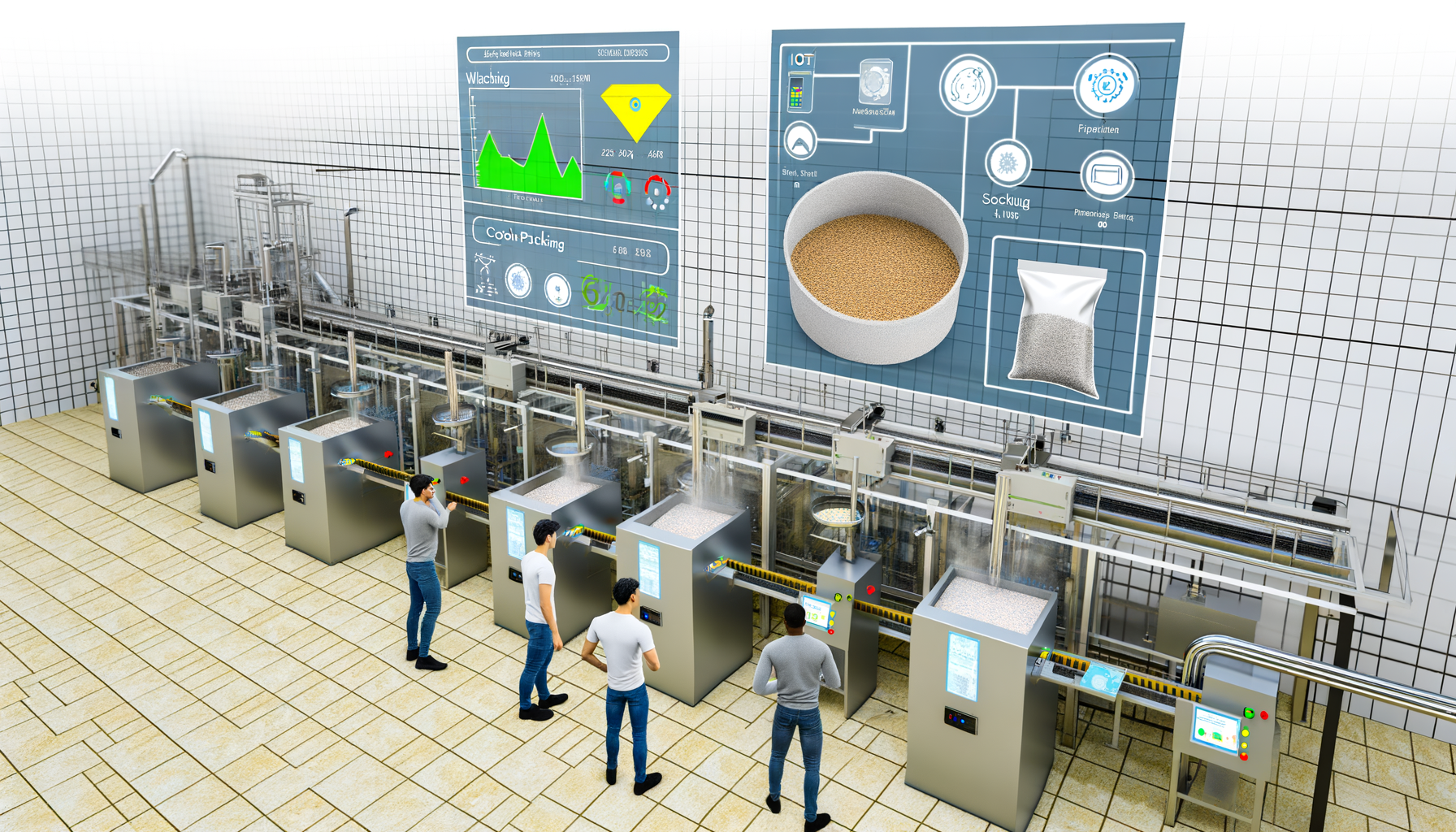
In recent years, the advent of Industry 4.0 has sparked a transformative wave across various manufacturing sectors, and the food processing industry is no exception. Among the many innovations reshaping traditional manufacturing, the integration of the Internet of Things (IoT) into fully automatic rice cooking production lines stands out as a beacon of efficiency, quality assurance, and operational excellence.
Understanding the Fully Automatic Rice Cooking Production Line
Before delving into IoT integration, it's essential to understand the fundamentals of a fully automatic rice cooking production line. This sophisticated system automates the entire process - from rice cleaning, washing, and soaking to precise cooking, drying, and packaging. These machines focus on scalability, consistency, and hygiene, fundamental criteria for meeting the surging demand for rice in global markets.
The Role of IoT in Modern Rice Cooking Production
IoT refers to interconnected devices capable of collecting, exchanging, and analyzing data via the internet. When IoT technology is integrated into rice cooking production lines, it revolutionizes how these systems are monitored and controlled in real time.
Real-Time Monitoring for Quality and Efficiency
Through sensors embedded at various stages - such as temperature probes in cooking chambers, moisture detectors post-cooking, and flow meters throughout the water supply - every parameter influencing rice quality is continuously monitored. This comprehensive data collection makes it possible to detect anomalies instantaneously, allowing for immediate corrective actions that ensure consistency.
Moreover, production managers can access live dashboards that visualize current operational statuses, historical trends, and predictive maintenance alerts. These insights support informed decision-making by highlighting inefficiencies or potential breakdowns before they occur.
Enhancing Control via Automated Feedback Loops
IoT doesn’t just watch - it acts. By connecting sensors to actuators and controllers, the system can autonomously adjust cooking durations, heat levels, or water content based on real-time feedback. This closed-loop control guarantees that each batch of rice meets precise quality standards.
For example, if moisture sensors detect undercooked rice grains, the system can prolong cooking time or adjust the steam flow to rectify the issue instantly, minimizing waste and maximizing throughput.
Predictive Maintenance and Reduced Downtime
One of IoT’s most significant advantages is predictive maintenance. Sensors monitor motor vibrations, pump pressures, or filter blockages, sending alerts when parameters deviate from normal ranges. These early warnings empower maintenance teams to perform timely interventions, preventing costly unscheduled downtimes and extending equipment lifespans.
Operational Transparency and Traceability
Food safety is paramount in rice production. IoT platforms enable detailed record-keeping of each production batch's conditions and handling history. In the event of product recalls, manufacturers can trace back through every step of the process, ensuring accountability and compliance with stringent regulatory frameworks.
Addressing Challenges and Ensuring Seamless Integration
While the advantages are compelling, integrating IoT into existing rice cooking lines is not without challenges. Ensuring secure data communication, overcoming legacy equipment incompatibilities, and training staff to interpret and act upon IoT data are vital considerations. Partnering with experienced technology providers and emphasizing continuous training can mitigate these risks effectively.
Future Outlook: AI and IoT Synergy in Rice Processing
Looking ahead, the fusion of Artificial Intelligence (AI) with IoT promises even greater breakthroughs. AI algorithms can analyze vast datasets collected by IoT sensors to uncover hidden patterns, optimize cooking recipes tailored to rice varieties, and predict consumer demand trends.
Combined, AI and IoT represent a smart, agile, and resilient rice production ecosystem ready to meet the evolving global food landscape.
Conclusion
The integration of IoT in fully automatic rice cooking production lines is revolutionizing the industry by enabling real-time monitoring and control. This digital transformation enhances product quality, operational efficiency, and supply chain transparency, offering a decisive competitive edge. As manufacturers continue embracing these innovations, IoT stands as a cornerstone for a future where rice production is smarter, safer, and more sustainable than ever before.
By adopting IoT-powered solutions today, the rice processing industry not only improves current operations but also lays a robust foundation for a digital-first tomorrow.
Explore Comprehensive Market Analysis of Fully Automatic Rice Cooking Production Line Market
SOURCE-- @360iResearch